What is Rotary?
Rotary is a global network of 1.4 million friends, leaders, and problem-solvers who see a world where people unite and take action to create lasting change – across the globe, our communities, and ourselves. Solving real problems takes real commitment and vision. For more than 110 years, Rotary’s people of action have used their passion, energy, and intelligence to take action on sustainable projects. From literacy and peace to water and health, we are constantly working to better our world, and stay committed to the end.
What we do
Rotary members believe we have a shared responsibility to act on our world’s most persistent issues. Our 46,000+ clubs work together to:
- Promote peace
- Fight disease
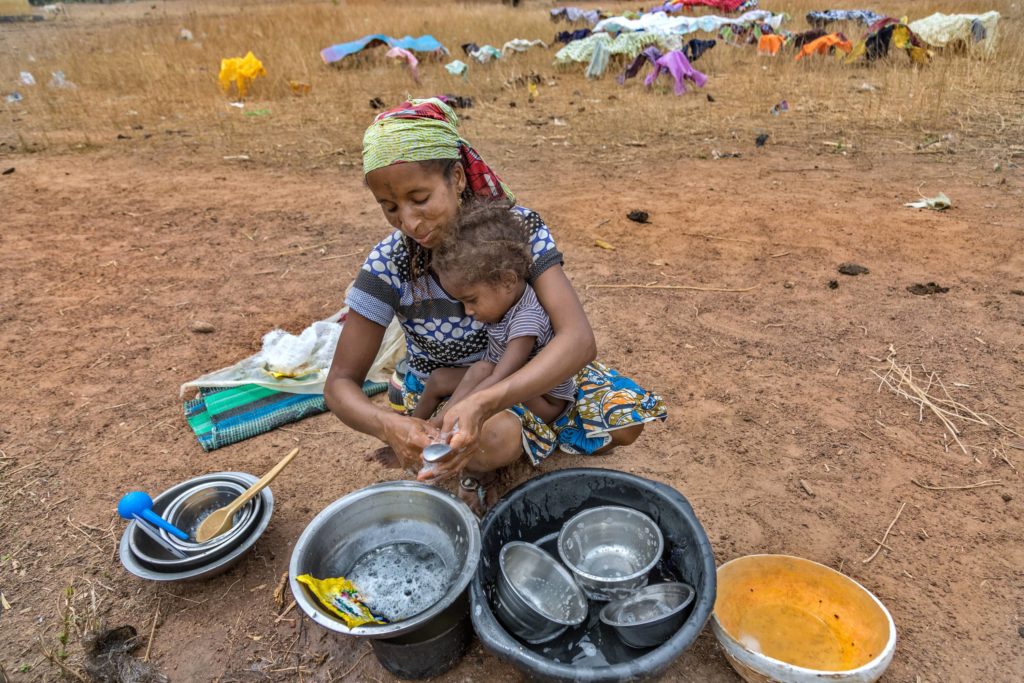
- Provide clean water, sanitation, and hygiene
- Save mothers and children
- Support education
- Grow local economies
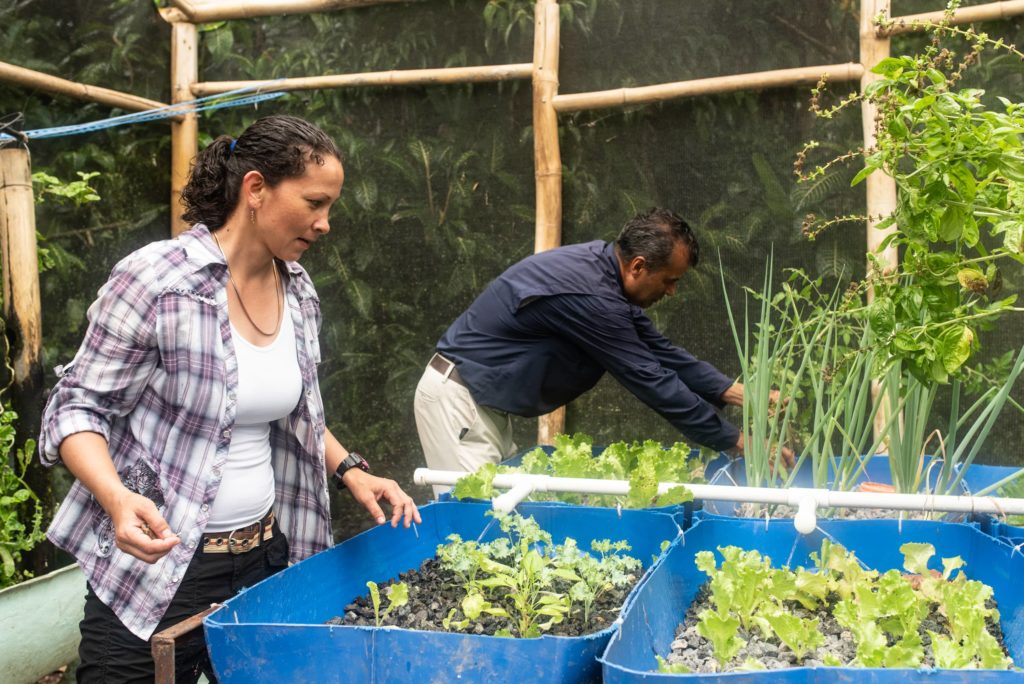
- Protect the environment


The Birth of Rotary
The first Rotary Club was born in Chicago on February 23, 1905, from a group of friends committed to helping others. It was founded by the lawyer Paul P. Harris, who met with three friends, Sylvester Schiele, Gustav E. Loehr and Hiram E. Shorey, respectively, a merchant, an engineer and a craftsman. These four people came from four different sectors and professed four different religions, united simply by an indissoluble bond of friendship. When the fifth member, the printer Harry Ruggles, joined the Club, the name Rotary Club was decided, and Schiele was elected President. The logo was also chosen, a cogwheel, which is the projection of a round table to symbolise equality between the members. In 1989, Rotary International voted to allow women to join. Today, it is an increasingly strong club association which sets itself to address problems of great importance, such as environmental and health issues, illiteracy and hunger in the world.
Rotary International President
Olayinka Hakeem Babalola received a university degree in engineering in 1988. He worked for 25 years in the oil and gas industry, holding senior positions at Shell PLC. He is the founder of two companies: Riviera Technical Services Ltd., an oil and gas infrastructure delivery company, and Lead and Change Consulting, an executive coaching and organisational performance advisory group.
Babalola’s professional affiliations include the Nigerian Society of Engineers, the Institute of Safety Professionals of Nigeria, and the Association of Change Management Professionals. He is a member of the Jericho Businessmen Club, an organisation in his birth city of Ibadan that provides input to governments on economic and social policy.
A Rotaractor for 10 years, Babalola has been a member of the Rotary Club of Trans Amadi since 1994 and served as district governor in 2011-12. He served on the RI Board of Directors (2018-20) and was vice president in 2019-20. He has been a member of the Rotary Club of Trans Amadi since 1994 and served as a district governor from 2011-12. He has served on committees including the End Polio Now Countdown to History Campaign Committee (2017-23, vice chair 2017-20) and the Nigeria National PolioPlus Committee (2013-present, adviser 2016-present).
Babalola and his wife, Preba, live in Port Harcourt. He supports The Rotary Foundation with a named endowment and as an Arch Klumph Society member. He volunteers as a trustee for ShelterBox UK. He has received the Africa Centennial Heroes Award, the Regional Service Award for a Polio-Free World, the RI Service Above Self Award, and the Rotary Foundation Citation for Meritorious Service.
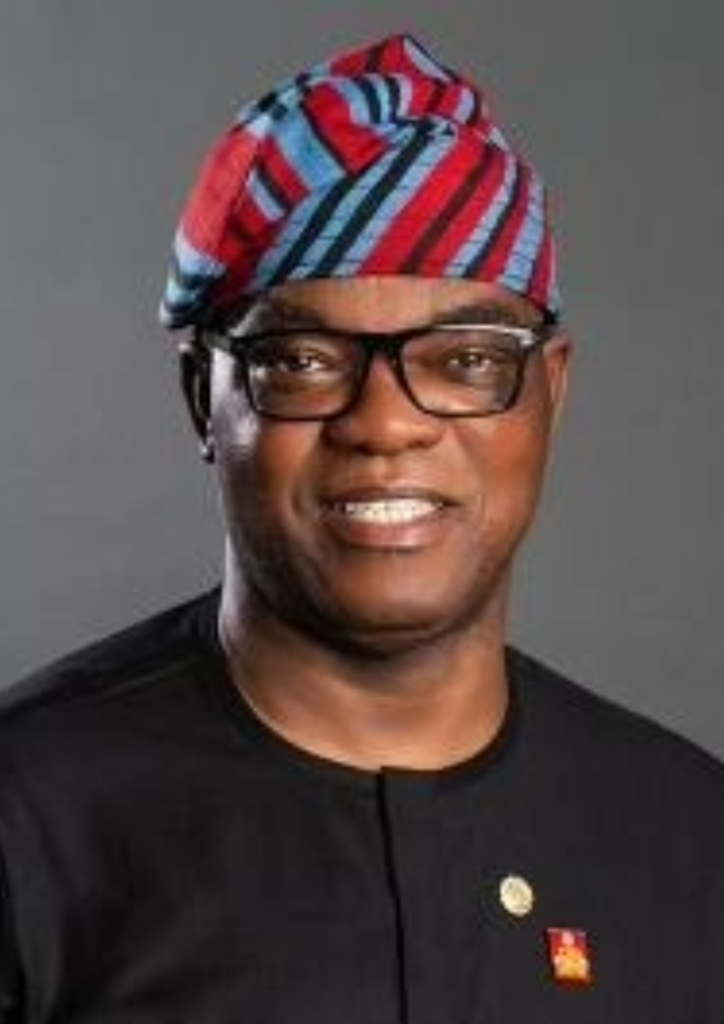
Olayinka Hakeem Babalola – Rotary International President 2026-27
What is the Rotary Foundation?
The Rotary Foundation transforms funds received from donors around the world into service projects that change lives both close to home and around the world. Since its founding over 100 years ago, the Foundation has spent more than $4 billion on life-changing, sustainable projects. With your help, we can improve lives in your community and worldwide.
The Rotary Foundation's Mission.
The Rotary Foundation helps Rotary members to advance world understanding, goodwill, and peace by improving health, providing quality education, improving the environment, and alleviating poverty.
What impact can one donation have?
- A child can be protected from polio for as little as 60 euro cents.
- €50 can provide clean water to help fight waterborne illnesses.
- €500 can launch an antibullying campaign and create a safe environment for children.